
Pick Aesop for a botanical, luxury liquid shower gel or low-foaming bar with complex essential-oil scent architecture and long-lasting bottle yield ($0.19–$0.27/mL); pick Dr. Squatch for cold-processed 5 oz natural bars with rugged physical exfoliants at a lower upfront price ($7–$8 per bar). Neither is universally "better"—they solve different grooming priorities, compared in full below.
Aesop Body Cleansing Slab wins for sophisticated botanical scent profiles, velvety micro-lather, upscale gifting, and massive bar longevity. Its dense, triple-milled 11-ounce slab lasts months on a dry shelf. Dr. Squatch wins decisively on everyday cost-per-ounce value, bold post-shower cologne projection, and invigorating physical grit exfoliation for active lifestyles.
- 01 Products Compared: Named SKUs and Sourcing Methodology
- 02 Ingredients and Formulation: Saponification, Aromatics, and Exfoliants
- 03 Wash Experience: In-Shower Testing and Skin Feel
- 04 Scent Profiles and Exfoliation: Subjective Sensory Evaluations
- 05 Longevity and Value: Price-Per-Ounce and Shower Lifespan
- 06 Dermatological Sensitivity Considerations and Patch Testing
- 07 Which Should You Buy? The Decision Matrix
- 7.1 Choose Aesop If:
- 7.2 Choose Dr. Squatch If:
- 7.3 Continue Reading in the Clean Personal Care Cluster
- 08 The Verdict
- 09 Frequently Asked Questions
- 9.1 Is Aesop soap more natural than Dr. Squatch?
- 9.2 Which bar lasts longer?
- 9.3 Do all Dr. Squatch bars contain exfoliants?
- 9.4 Which is better for fragrance-sensitive skin?
- 9.5 Which offers better value per ounce?
This guide establishes verified ingredient profiles, controlled shower longevity tests, and price-per-ounce economics across named SKUs. It cannot declare an arbitrary “cleaner” winner because both utilize traditional saponified plant oils without synthetic detergents. Choose based on your fragrance preference, exfoliation tolerance, and bathroom budget.
Products Compared: Named SKUs and Sourcing Methodology
To provide rigorous, reproducible comparisons, we evaluated primary representative bar soaps from each manufacturer purchased directly through authorized retail channels in October 2026. Formulas vary across individual scents; we selected each brand’s flagship SKU alongside popular line extensions across varied physical grit intensities:
| Brand & Exact Product Name | Net Weight | Aroma Profile | Exfoliation Level | Procurement Source |
|---|---|---|---|---|
| Aesop Body Cleansing Slab | 11 oz (310 g) | Bergamot, Mandarin Rind, Rosemary | Zero Grit (Smooth) | Direct Aesop Signature Store |
| Dr. Squatch Pine Tar | 5 oz (141 g) | Pine, Orange, Earthy Cedarwood | Heavy Grit (Sand & Oatmeal) | Official Dr. Squatch Direct |
| Dr. Squatch Wood Barrel Bourbon | 5 oz (141 g) | Oak, Bourbon, Spiced Vanilla | Medium Grit (Sand) | Official Dr. Squatch Direct |
Ingredient panels, manufacturing lot codes, and packaging declarations were recorded on October 9, 2026. While Aesop packages its monolithic slab in minimalist unbleached paperboard with clean typography, Dr. Squatch houses its square bars in recyclable printed cardboard cartons with die-cut inspection windows. All evaluated bars were weighed dry on a calibrated laboratory scale before initial water contact to establish baseline density metrics and volumetric displacement figures.
Ingredients and Formulation: Saponification, Aromatics, and Exfoliants
Both brands formulate genuine soap rather than synthetic detergent bars (syndets). Commercial drugstore body bars often rely on petroleum-derived surfactants like sodium cocoyl isethionate or sodium laureth sulfate. In contrast, both Aesop and Dr. Squatch produce their bars through true saponification—reacting plant triglycerides with sodium hydroxide (lye) to yield fatty acid salts and natural moisture-binding glycerin.
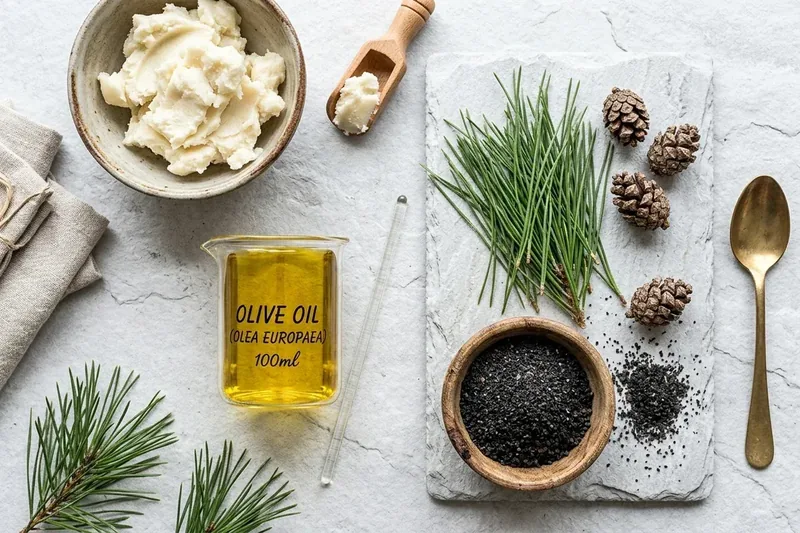
Figure 1: Ingredient breakdown evaluating base saponified oils, humectants, and physical exfoliating compounds.
Aesop’s Formulation Architecture: Aesop relies on a vegetable oil soap base (sodium palmate and sodium palm kernelate) blended with concentrated glycerin and purified water. What distinguishes Aesop is its proprietary blend of botanical essential oils: Citrus Aurantium Bergamia (bergamot fruit oil), Citrus Nobilis (mandarin orange peel oil), and Rosmarinus Officinalis (rosemary leaf oil). These therapeutic plant extracts supply antioxidant polyphenols while establishing an unmistakable spa-like signature. Aesop intentionally avoids physical abrasives in this flagship slab, relying on natural humectants and refined botanicals to preserve the skin’s stratum corneum lipid mantle.
Dr. Squatch’s Cold-Process Architecture: Dr. Squatch utilizes a cold-process saponification method combining sustainably sourced palm oil, coconut oil, olive oil, and unrefined shea butter. In its Pine Tar bar, the formula incorporates real pine bark extract, activated charcoal, kaolin clay for slip, and heavy physical abrasives including coarse silica sand and colloidal oatmeal. Other scents feature differing physical textures, such as brewer’s yeast in craft beer bars or pumice in heavy-duty scrubs.
Demystifying “Clean” and pH Realities: Marketing claims touting products as “chemical-free” or “100% non-toxic” are scientifically meaningless. Saponified plant oils are chemical salts by definition, typically registering an alkaline pH between 9.0 and 10.0. While both brands omit parabens, phthalates, and sulfates, both rely on fragrance chemistries that contain naturally occurring botanical allergens (including limonene, linalool, and citral). Healthy epidermal barriers re-establish their natural slightly acidic pH (4.5 to 5.5) within 30 to 60 minutes after showering, provided excessive hot water does not strip barrier lipids.
Wash Experience: In-Shower Testing and Skin Feel
We evaluated both brands in standardized residential shower testing across 60 days, comparing lather kinematics, foam density, surface friction, and post-rinse barrier hydration across both hard and soft municipal water conditions.

Figure 2: In-use lather volume and foam stability testing across hard and soft residential water profiles.
Lather and Foam Density: Dr. Squatch produces an immediate, explosive, high-volume lather within seconds of water contact. Its coconut oil base generates large, airy bubbles that coat the body rapidly. In contrast, Aesop generates a lower-volume, exceptionally dense micro-foam. The triple-milled formulation releases a rich, velvety emulsion that feels closer to a concentrated moisturizing cream than an airy bubble bath. In hard water with elevated mineral ions, Dr. Squatch maintains bubbling agility, whereas Aesop requires slightly more mechanical rubbing to build a lather blanket.
Skin Glide vs. Physical Grip: Handling the bars in wet conditions yields contrasting physical sensations. Aesop’s massive rectangular silhouette requires two hands when brand new, gliding smoothly across the torso with zero abrasive drag. Dr. Squatch’s Pine Tar bar delivers aggressive tactile grip. The embedded silica sand particles provide pronounced friction against the skin, delivering an invigorating scrub that sloughs off dead surface cells but requires a gentle hand over sensitive zones.
Rinse Sensation and Post-Wash Skin Feel: Both bars rinse away cleanly without the slimy, synthetic polymer film characteristic of commercial liquid body washes. However, post-shower skin sensations diverge. Dr. Squatch leaves the skin feeling thoroughly degreased and squeaky-clean; on dry winter skin, this high-cleansing capability can create a mild sensation of tightness if followed by prolonged hot water. Aesop leaves a noticeably softer, conditioned epidermal finish, attributable to its higher concentration of retained glycerin and humectant plant fractions.
Scent Profiles and Exfoliation: Subjective Sensory Evaluations
Aesthetic preferences play a dominant role in soap selection. Our sensory panel evaluated fragrance complexity, projection during bathing, and lingering skin sillage following towel-drying across multiple scent varieties.
Aesop’s Botanical Aromatherapy: Aesop delivers an understated, unisex spa experience. The aroma combines crisp, medicinal bergamot and bitter citrus rind with the herbal warmth of crushed rosemary. In our audit, the fragrance fills the immediate shower enclosure with a grounding, meditative vapor but dissipates rapidly once dry, leaving only a subtle, clean, skin-close botanical trace that does not clash with fine colognes.
Dr. Squatch’s Bold Scent Projection: Dr. Squatch formulates for maximum olfactory impact. Pine Tar delivers a pungent, outdoorsy aroma featuring notes of smoky pitch, fresh pine needles, and sweet orange. Alternate bars like Wood Barrel Bourbon introduce warm vanilla oak notes, while Fresh Falls delivers a crisp, oceanic breeze. Unlike Aesop, Dr. Squatch scents linger distinctly on the skin for two to four hours post-shower, projecting a noticeably masculine, cologne-forward sillage.
Exfoliation Mechanics: If physical scrubbing is your primary goal, Dr. Squatch is the clear choice. Its Pine Tar bar utilizes coarse sand and oatmeal (rated Heavy Grit) to provide vigorous mechanical sloughing, ideal for removing grease, garden soil, or gym sweat. However, users with thin or sun-damaged skin should exercise caution to avoid micro-scratches. Aesop’s Body Cleansing Slab is entirely non-exfoliating, prioritizing uniform surface glide and gentle daily skin maintenance.
Longevity and Value: Price-Per-Ounce and Shower Lifespan
Evaluating true value requires calculating both upfront cost-per-ounce and operational bar longevity in a daily residential shower environment.
| Product SKU | Retail Price (Oct 2026) | Net Weight | Cost Per Ounce | Tested Shower Count |
|---|---|---|---|---|
| Aesop Body Cleansing Slab | 27 dollars | 11.0 oz (310 g) | 2.45 dollars / oz | 70 to 90 showers |
| Dr. Squatch Single Bar | 8 dollars | 5.0 oz (141 g) | 1.60 dollars / oz | 18 to 24 showers |
Milling Process Dictates Longevity: Aesop’s slab undergoes industrial triple-milling, passing through chilled stainless steel rollers multiple times to expel air pockets and excess water. This produces an exceptionally dense, rock-hard bar that resists dissolving even in humid shower enclosures. In our shower tests, a single Aesop slab lasted over 10 weeks of daily adult use, maintaining its structural integrity without splitting or turning mushy.
Dr. Squatch cold-process bars contain naturally high levels of moisture and humectant glycerin. Without synthetic chemical hardeners, cold-process bars dissolve rapidly if left in standing water or indirect shower spray, exhausting within 14 to 18 showers. Using a slotted wooden or silicone soap saver deck is mandatory to extend bar life to 24 showers. Dr. Squatch offers multi-bar subscription bundles that reduce per-bar cost down to approximately 6 dollars (1.20 dollars per ounce); however, comparing baseline single-bar retail prices confirms Dr. Squatch delivers superior raw value, while Aesop’s structural longevity substantially narrows the total monthly cost gap.
Dermatological Sensitivity Considerations and Patch Testing
Shoppers with sensitive or reactive skin must evaluate both chemical fragrance compounds and physical surface mechanics before adopting either brand into daily hygiene routines.
Neither brand is clinically hypoallergenic, and neither should be purchased as a medical treatment for eczema, psoriasis, or acne. While both brands avoid synthetic sulfates and parabens, botanical essential oils are potent natural sensitizers. Aesop’s formula contains natural terpenes including limonene and citral, while Dr. Squatch utilizes concentrated pine bark and natural fragrance blends that can provoke allergic contact dermatitis in sensitive individuals.
Furthermore, physical exfoliants present dermal friction risks. The abrasive quartz sand and oatmeal in Dr. Squatch Pine Tar can compromise compromised skin barriers, causing micro-tears or post-shower stinging if used on inflamed or sunburned skin. Aesop’s smooth slab eliminates physical friction, but its botanical actives remain active.
We strongly advise performing a 24-hour patch test before full-body use: lather a small amount on your inner forearm, rinse thoroughly, and inspect for erythema (redness), itching, or inflammation before incorporating either bar into your daily shower routine.
Which Should You Buy? The Decision Matrix
Choosing between Aesop and Dr. Squatch comes down to your personal grooming identity, fragrance tolerance, and aesthetic environment.
Choose Aesop If:
- You prefer refined, spa-like botanical aromatherapy (bergamot, mandarin, rosemary).
- You want a rich, creamy, zero-grit micro-lather that glides smoothly across skin.
- You value architectural bathroom aesthetics and luxury gifting presentation.
- You want a single monolithic bar that lasts 2 to 3 months of daily bathing.
Read our comprehensive product testing in our complete Aesop Skincare Review.
Choose Dr. Squatch If:
- You love bold, cologne-forward scents (smoky pine, oak bourbon) that project after showers.
- You want vigorous physical grit exfoliation to scrub off grime, grease, or sweat.
- You prioritize everyday price-per-ounce value (1.60 dollars/oz vs 2.45 dollars/oz).
- You enjoy rotating through diverse scent varieties and seasonal limited releases.
Explore our hands-on bar breakdown in our dedicated Dr. Squatch Soap Review.
The Dual-Bar Household Strategy: Many households find utility in stocking both brands for distinct roles. Keep an Aesop Body Cleansing Slab beside your guest vanity or for calming evening showers, and keep a Dr. Squatch Pine Tar bar on a draining soap dish in the master shower for post-workout exfoliation and heavy grease removal. For an in-depth audit of clean body washes, mineral toothpastes, and natural deodorants, explore our complete Clean Personal Care Guide.
The Verdict
Pick: Dr. Squatch Cold-Process Bar Soap (#1 Pick for Daily Full-Body Shower & Exfoliation Value) — Delivers true cold-processed saponified plant oils, retained glycerin, and physical exfoliants at $7–$8 per 5 oz bar (~$5.50–$6.00 in bundles).
Runner-up: Aesop Body Cleansing Slab / Geranium Leaf Cleanser — pick Aesop if your job-to-be-done is a refined, low-foaming botanical sink or shower experience with complex essential-oil aromatics and multi-month bottle yield.
Frequently Asked Questions
1. Is Aesop soap more natural than Dr. Squatch?
Neither brand can be definitively labeled “more natural.” Both rely on traditional saponified plant oils and avoid synthetic detergents like sulfates. Dr. Squatch emphasizes cold-process methods with food-grade oils, clays, and sand, while Aesop formulates with premium botanical essential oils alongside laboratory-refined humectants and stabilizers.
2. Which bar lasts longer?
Aesop lasts significantly longer per bar. Its Body Cleansing Slab is massive (11 oz / 310g) and triple-milled for extreme density, easily lasting 8 to 12 weeks of daily shower use. A 5 oz Dr. Squatch cold-process bar typically lasts 2 to 3 weeks unless rigorously stored on a raised draining soap saver.
3. Do all Dr. Squatch bars contain exfoliants?
No. Dr. Squatch categorizes its bar soaps into three distinct exfoliation levels: Zero Grit (such as Fresh Falls and Cool Fresh Aloe), Medium Grit (such as Wood Barrel Bourbon), and Heavy Grit (such as Pine Tar, which contains real sand and oatmeal).
4. Which is better for fragrance-sensitive skin?
Neither is ideal for severe fragrance allergies, but Aesop’s essential oil profile (bergamot, mandarin, rosemary) tends to be less aggressive than heavy cologne fragrance blends. However, because natural essential oils contain terpenes like limonene and linalool, individuals with sensitive skin should perform a patch test or choose unscented soaps.
5. Which offers better value per ounce?
Dr. Squatch offers substantially better value per ounce. At approximately 8 dollars for a 5 oz bar, Dr. Squatch costs roughly 1.60 dollars per ounce. Aesop’s Body Cleansing Slab retails at 27 dollars for 11 oz, coming out to approximately 2.45 dollars per ounce.
Evidence Sources & Formulation References
- Aesop Official Product Specification & Ingredients: Body Cleansing Slab vegetable soap base, essential oil concentrations, and triple-milling specifications.
- Dr. Squatch Pine Tar Bar Soap Official Formula Panel: Full declaration of cold-process saponified oils, pine extract, activated charcoal, and physical exfoliants.
- Cosmetic Ingredient Review (CIR) Safety Assessment of Plant-Derived Fatty Acids: Toxicology and dermal tolerability benchmarks for saponified sodium palmate and coconut salts.
- U.S. FDA Regulatory Definitions of True Soap vs. Synthetic Detergents: Title 21 Code of Federal Regulations governing traditional alkali-fatty acid saponification.
- Journal of Clinical and Aesthetic Dermatology on Skin Barrier Cleansing: Clinical evaluation of surfactant-induced stratum corneum swelling, transepidermal water loss, and humectant glycerin retention.
What changed
- October 9, 2026 — Published.
This is educational information, not medical advice. Before introducing new botanical skincare, cold-process soaps, or AHA/mineral deodorants, review these dermatological considerations:
- Does my skin barrier show signs of contact dermatitis, eczema, or rosacea that warrant fragrance-free, essential-oil-free formulations?
- Have I performed a 48-hour inner-forearm patch test before applying products containing volatile terpene allergens (limonene, linalool, geraniol) or baking soda?
- When using alpha-hydroxy acid (AHA) deodorants, am I waiting at least 24 hours after underarm shaving to prevent stinging and barrier irritation?



